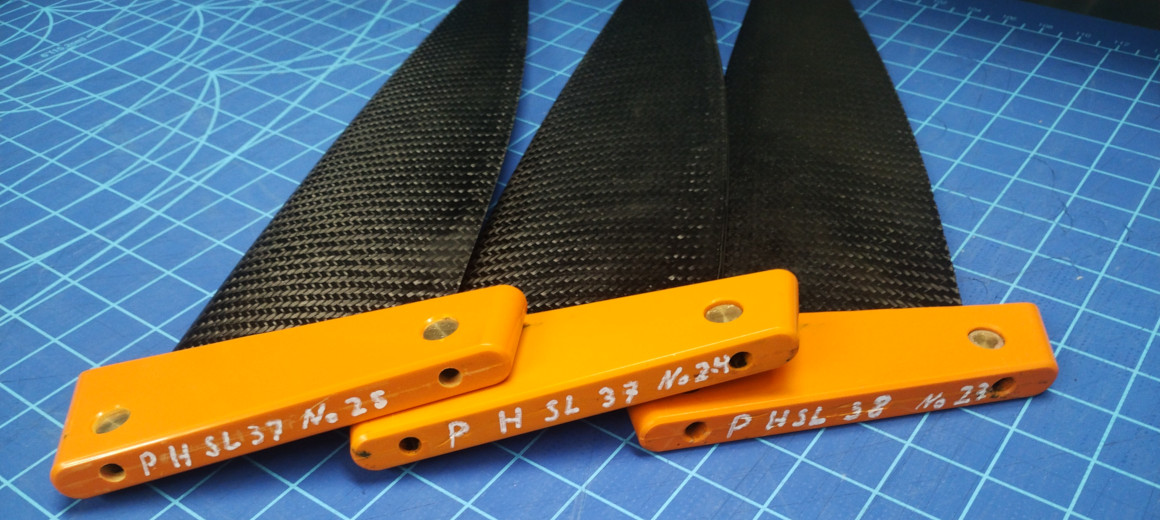
"Hammer SL is probably the thinnest profile in your fin quiver bag. The 37 cm version is only 9mm thick just below the fin head.
Fiber orientation, fiber orientation, fiber orientation! It’s all about fiber orientation, when we manufacture a thin fin profile with a high torsional-stiffness, and at the same time achieve a controlled sideways bending stiffness. High torsional stiffness is to avoid unwanted twisting of the fin, while the fine-tuned sideways bending stiffness gives the fin the essential bending curve which lifts the board higher in the water. Read more about how we define the range of stiffness of Hammer SL here.
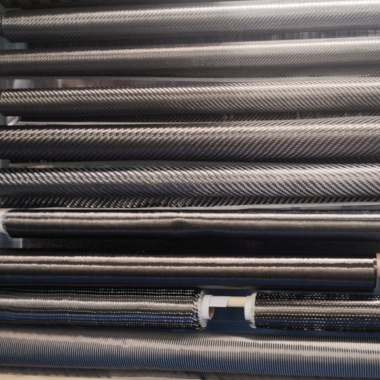
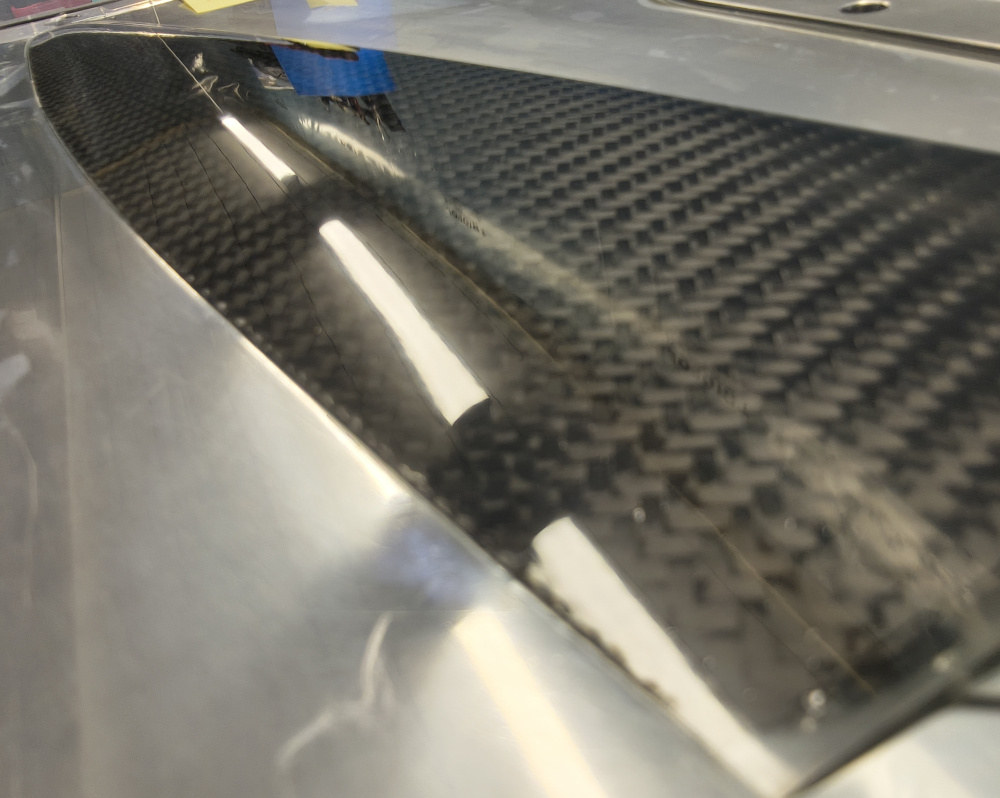
Our racing fins are manufactured by high-performance high modulus and intermediate modulus carbon fibers. Woven, multiaxial and unidirectionals – we use them all. The molding process is a development of Resin Transfer Molding (RTM), where vacuum and pressure is transferring epoxy-resin into the closed mold, giving the very lowest void content and corresponding highest strength. When the fin comes out of the mold, it is smooth and shiny. The essential afterwork, is to sand it down with fine grit in a defined process to make it robust against spinouts. It is almost a shame to tamper with the shiny surface ..
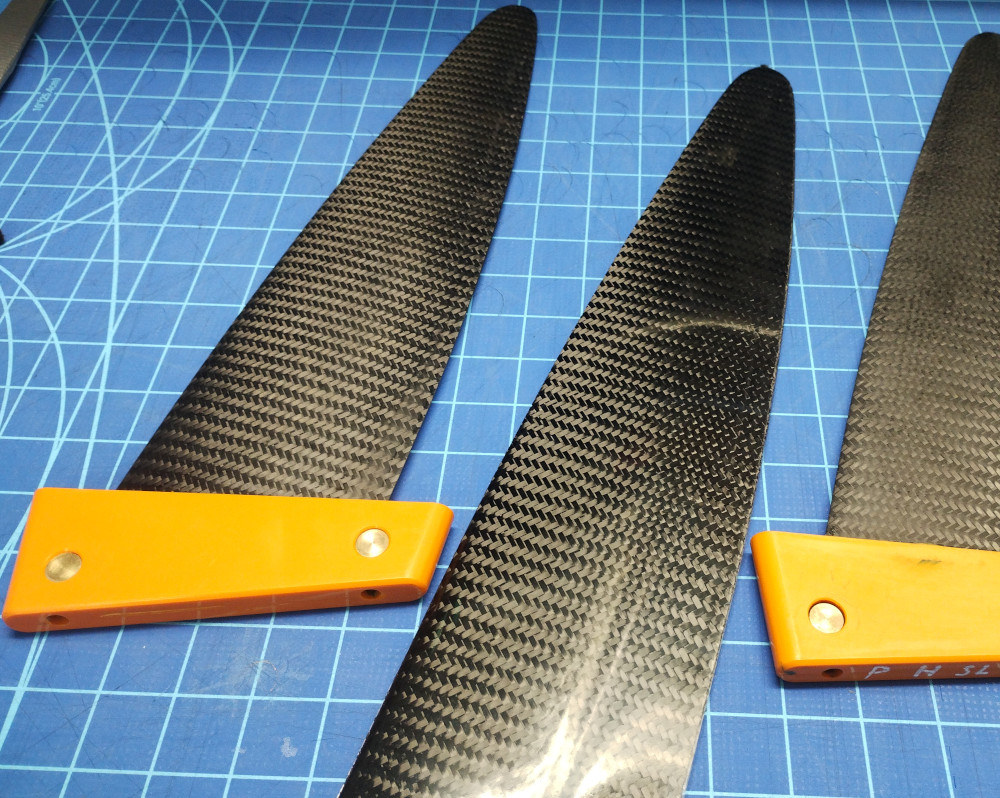
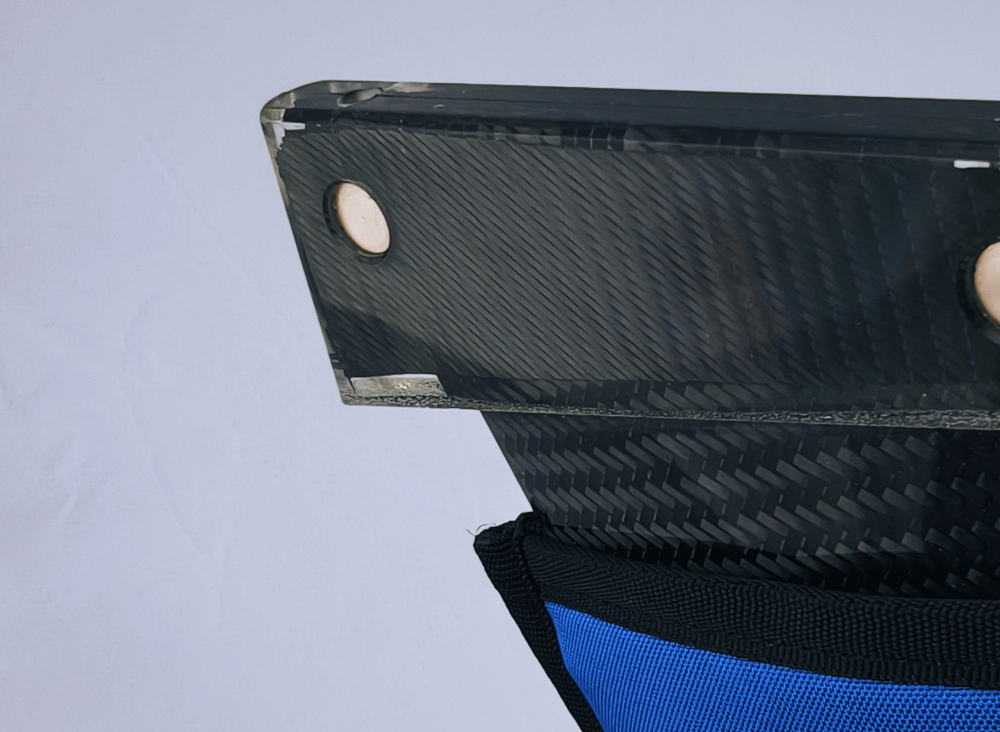
Different fin manufactures have different way of making the fin head. We place carbon fiber reinforcement inside the fin head, and mold it in a precision tool. This makes a strong, smooth and accurate foundation for the fin. Should you need to adjust the fin head, despite our efforts to make it with precision, it will be easy to carefully sand it down to perfect fit.
Our Barrel Nuts are fuss-free big size Ø12 Brass inserts. Brass nuts has been used for decades in windsurfing, simply because it is tribological a very robust alternative when paired with stainless steel screws in the marine environment.
The epoxy resin used is GreenPoxy by Sicomin, which has a high percentage of bio-based carbon content, and offers a more sustainable alternative than traditional petroleum-based epoxies. This is achieved this by utilizing renewable feedstock, such as organic waste. Along with producing locally, we see this as a small but fair contribution towards a more sustainable industry.